


Knife Block Set 9 Pcs Japanese Aus-10 Damascus Knife Set, Chef Knives Blue G10 Handel Premium Quality Kitchen Knife Set
5.0 / 5 · 3 reviews$334.00 $499.99

The kitchen collection
Considered kitchen essentials. Distinctive details. Discover your next favorite piece.
Discover the collectionThe collections

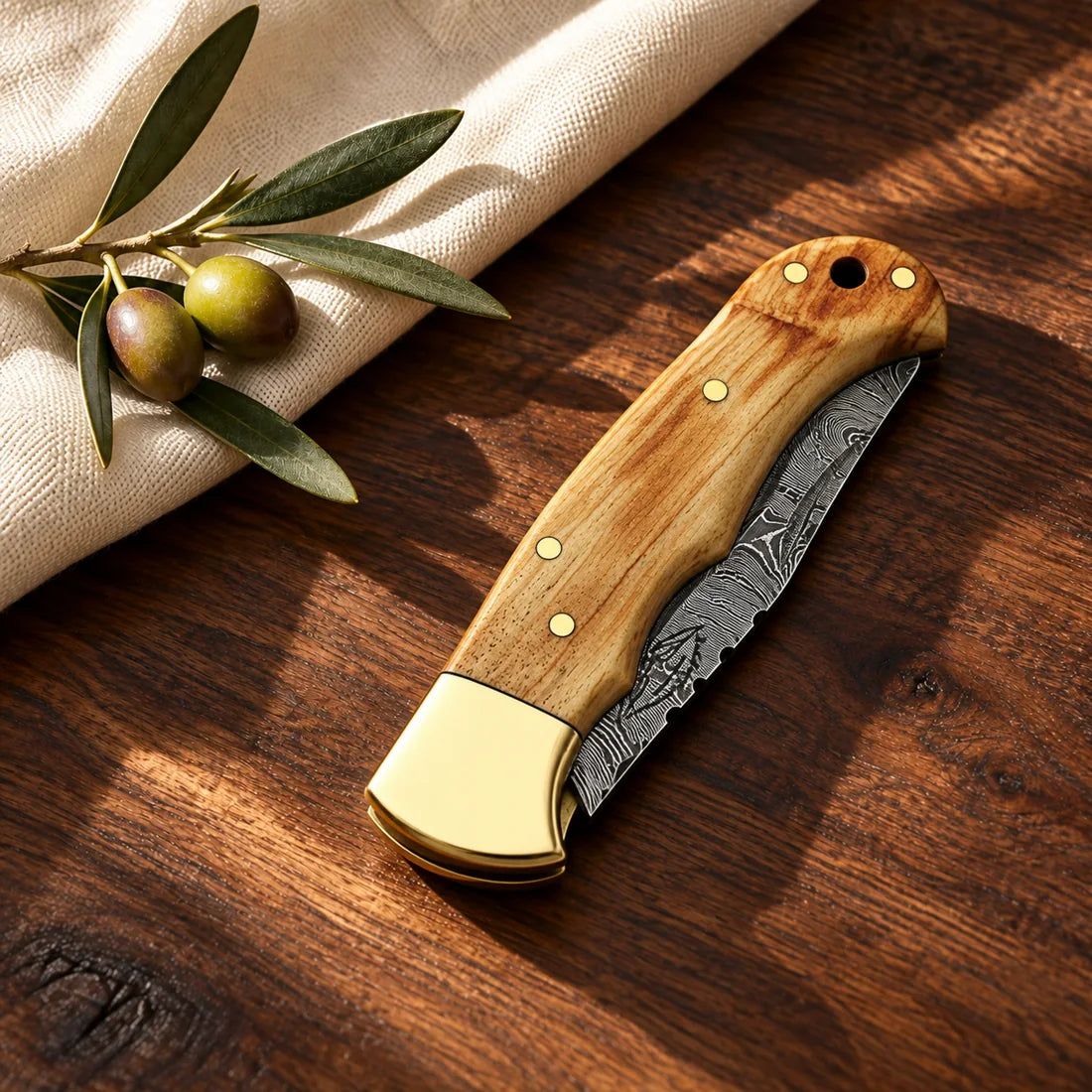





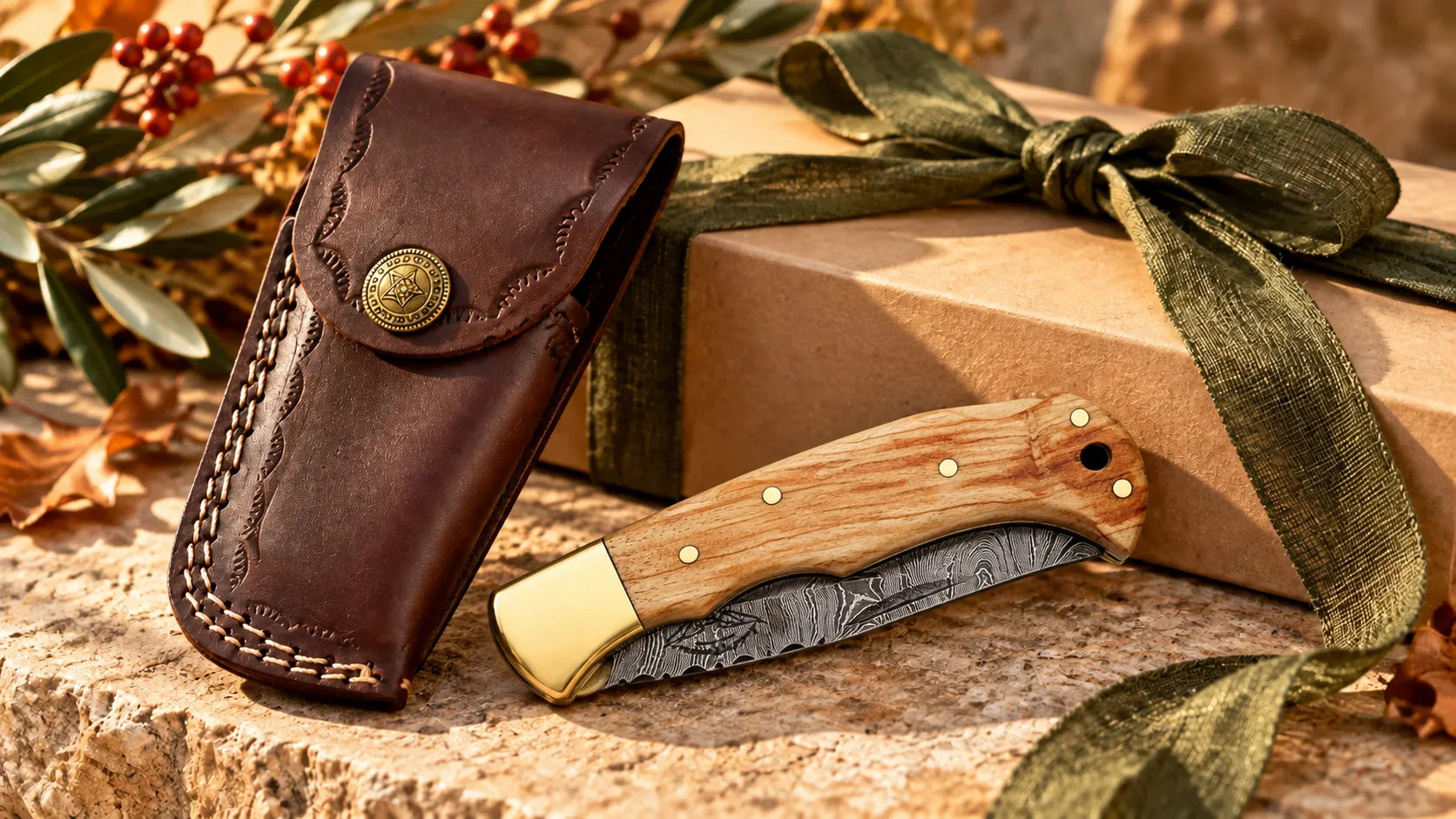
The kitchen edit
$334.00 $499.99


$399.99 $499.00


$399.99
Discover product

$34.99 $59.99


$349.99 $499.99


$339.99
Discover product

$399.99
Discover product

$449.99 $599.99

In focus
7 PIECE GERMAN HC STAINLESS STEEL KNIFE BLOCK SETS: Japnese AUS10 Damascus Steel Set includes: 8-inch Chef s Knife set , 8-inch Bread Knife, 8-inch Slicing Knife, 7-inch Santoku Knife, 6-inch Boning Knife , 5-inch Utility knife, 3.5-inch Paring Knife Combination 67 layers JapanesUS10 Stae...
$169.99
See product details ↗Beyond the kitchen


$99.99
Discover product

$64.98
Discover product

$169.94 $229.99


$39.99 $89.99


$34.99 $69.99


$39.99
Discover product

$59.36 $199.99


$59.38
Discover productTHE OUTDOOR EDIT
From a quiet campsite to a day in the field, find the details that fit your plans.
Simple essentials. Bigger horizons. ↗
Explore our hunting collection. ↗


$39.99 $99.99


$49.99 $139.99


$39.99 $99.99


$39.99 $89.99
MATERIAL / PATTERN / CHARACTER
Patterned steel, tactile handles and considered details. Explore what goes into choosing a folding knife.
The pocket collection ↗
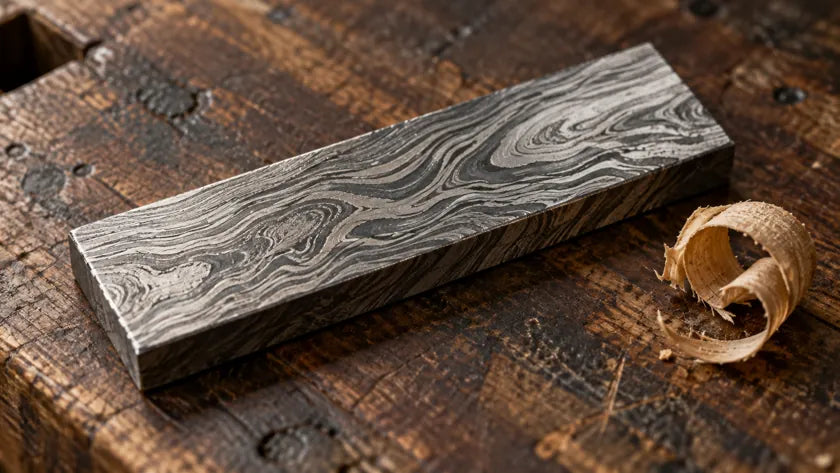
Pattern-welded steel combines layers that reveal a distinctive surface pattern. The materials and construction vary by knife.
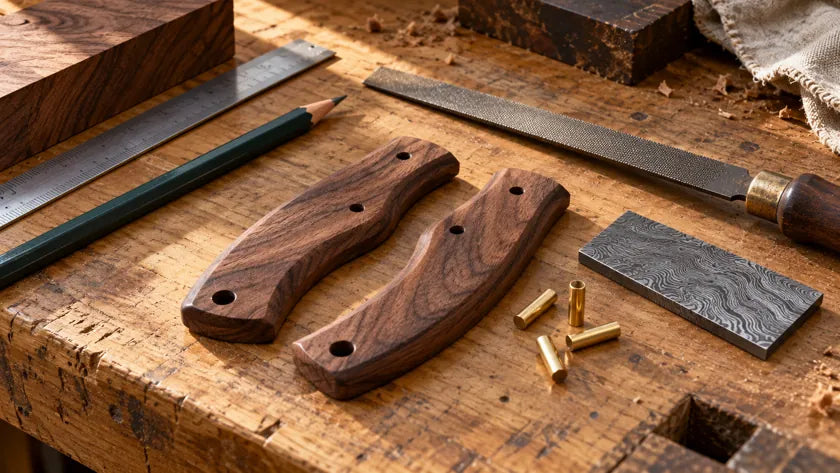
Compare handle shape, fit, finish and the mechanism. A beautiful pattern is one part of the whole knife.
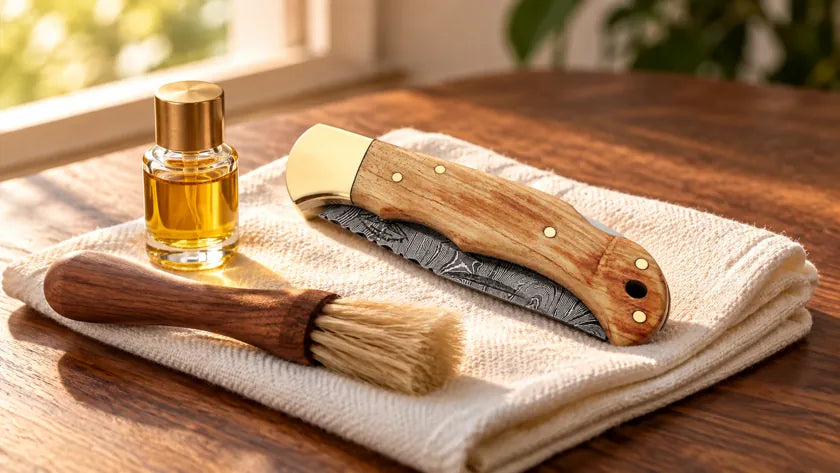
Choose for your actual tasks, then follow the care instructions for your particular knife.
AI-generated editorial illustrations of the craft; not photographs of our manufacturing facility.
Customer experiences
THE NEW FIELD GUIDES
Seven practical guides for choosing, caring for and making more of your everyday tools.
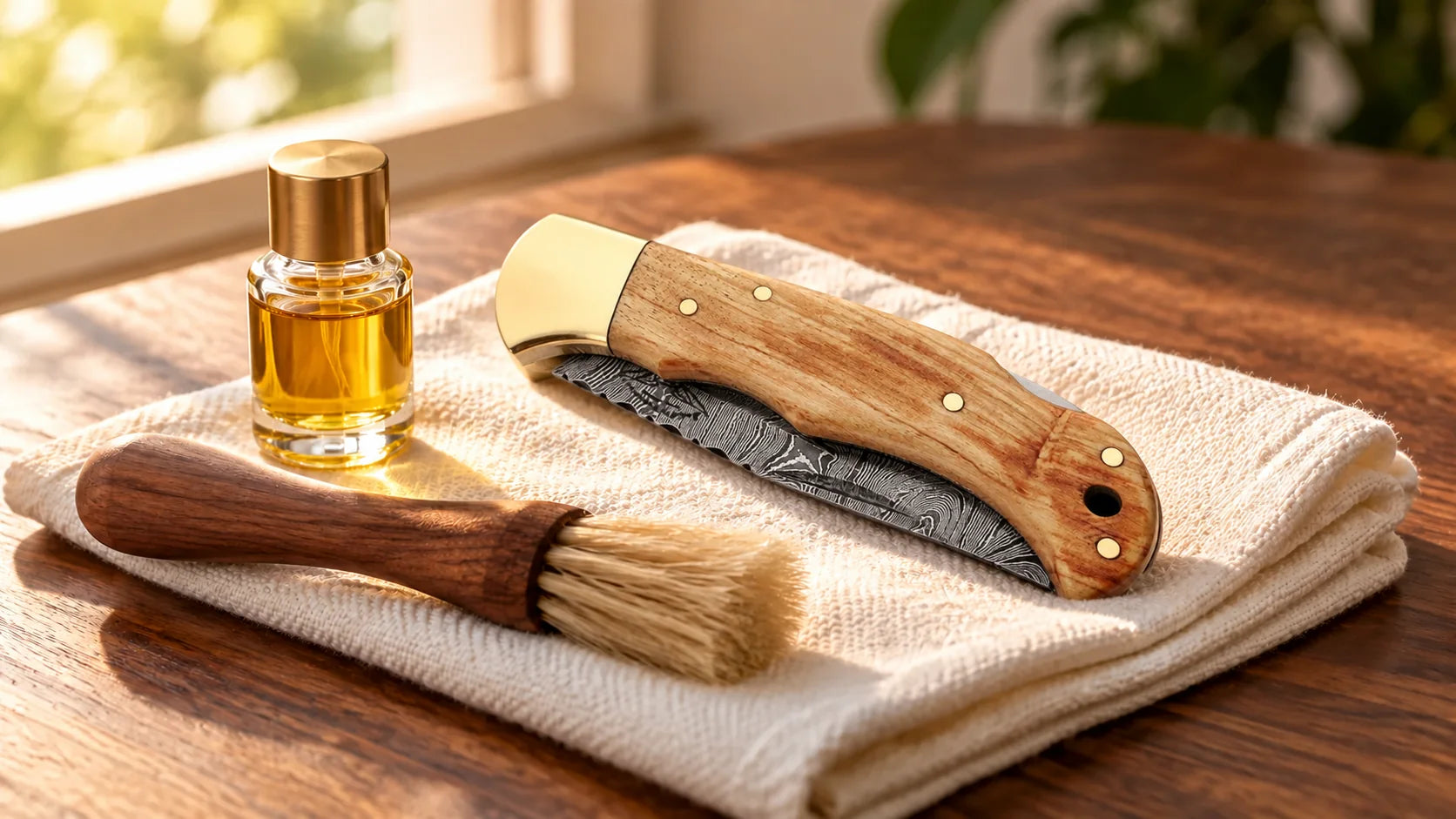
FIELD GUIDE / 01
FIELD GUIDE / 02
FIELD GUIDE / 03
FIELD GUIDE / 04
FIELD GUIDE / 05
NEW / FIELD NOTES
NEW / FIELD NOTES
A MORE CONSIDERED CHOICE
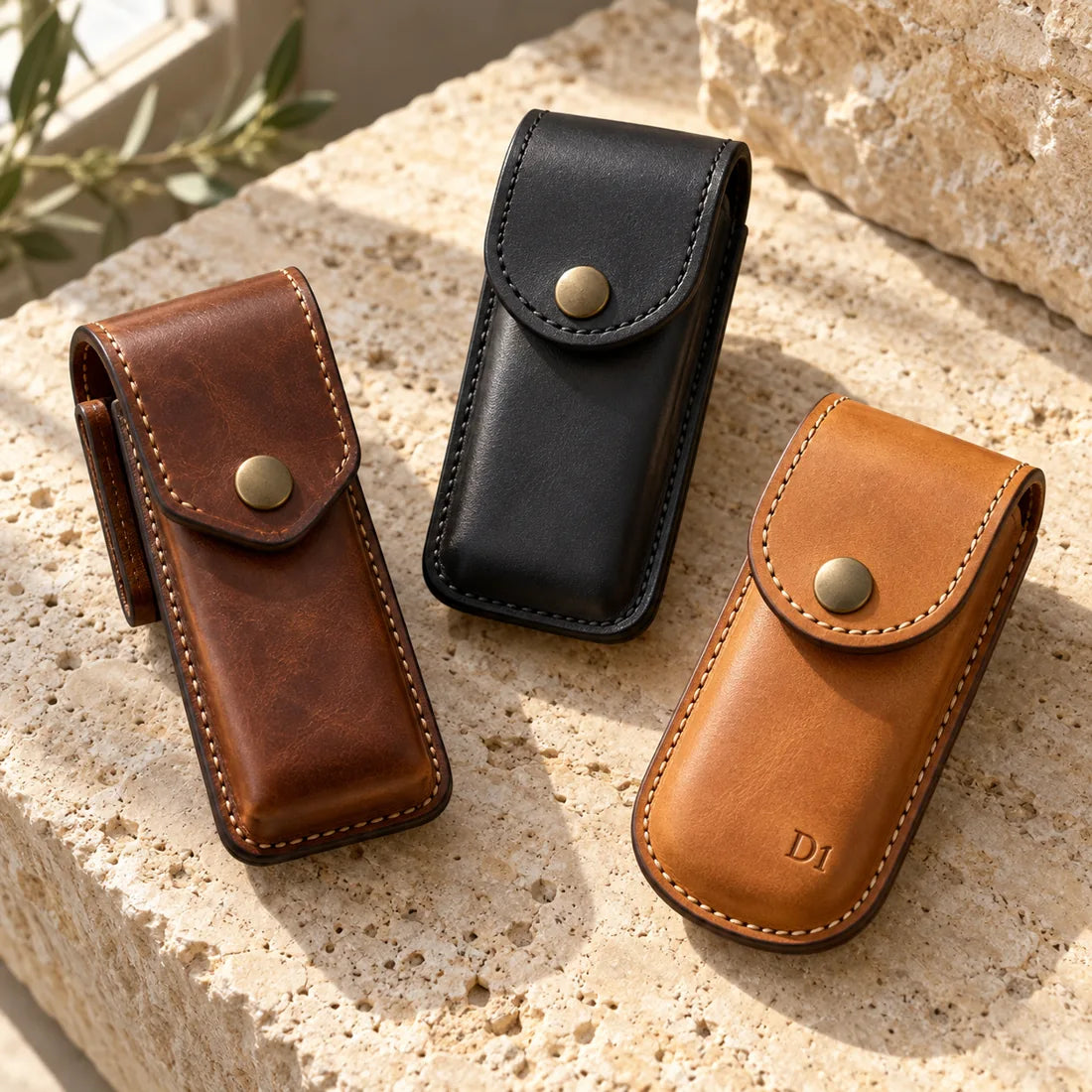
Choose by purpose. Compare the details. Ask for a fit made around your knife.
Compare current listings side by side, then open each product for its complete specifications.
Design concepts shown. Final construction, materials, fit, price and availability require confirmation.
Interested in a custom leather sheath? Tell us about your knife and preferred carry style. This is an enquiry, with no payment or order placed.
Sign in to view your orders and manage your customer details.
Open your account ↗GOOD QUESTIONS. CLEAR ANSWERS.
Explore 100 practical answers about choosing, caring for and enjoying your everyday tools.
Start with the tasks you expect to do, then compare closed size, weight, opening mechanism and care requirements. Read the exact product listing rather than choosing only by pattern. If dimensions or mechanism details are missing, ask before ordering. A familiar, manageable tool is a better starting point than the largest design.
No. A visible pattern does not establish the steel grades, construction or heat treatment. Different products can look similar while using different materials. Look for model-specific information and ask for clarification when a listing only says Damascus. Do not infer a particular alloy or performance rating from photographs.
Compare the stated closed dimensions with the space in your pocket or intended pouch. Consider the weight and how easily you can hold and operate the tool. Blade length alone does not describe the whole knife. Check applicable rules separately for the place and manner in which you plan to carry it.
A folder closes into its handle and includes a moving joint; a fixed blade needs suitable edge protection for transport. Compare these practical differences with your intended tasks, storage and care routine. Neither category is automatically the best choice for every trip. Read each model's limitations before purchase.
Compare dimensions, materials, included accessories, available variants, care information and the seller's current policies. Check whether photographs show optional accessories rather than items included in the order. A lower price is not necessarily a better fit if you must buy additional storage or cannot confirm essential specifications.
Use photographs to assess appearance, then confirm dimensions, materials and contents in writing. Lighting, screens and natural handle materials can change how an item looks. A lifestyle scene can include styling props. For any detail that matters to your decision, rely on the exact listing or a seller's specific confirmation.
Send the product link and ask about the missing detail: closed length, weight, steel designation, opening mechanism, included pouch or care instructions. Keep questions tied to that exact model and variant. If the information is essential to safe use or suitability, wait for an answer before placing the order.
Collectible appearance does not establish suitability for a particular task. Read the product's intended use and construction details, and inspect it before use. Decorative finishes and natural handle materials may need special care. Choose an item whose documented function matches your needs, even when its appearance is the main attraction.
Use the homepage comparison tool to view two current pocket-knife listings together. It shows listing prices, availability and short descriptions. Open both product pages to compare the full descriptions, variants and accessories before buying. The tool does not replace model-specific specifications or a hands-on assessment of fit.
Price can reflect materials, finishing, design, accessories or other costs. It is not a standardized performance measurement. Compare the specific information available for the two products and decide which features matter to you. Do not assume that an expensive patterned blade has a particular heat treatment or tested edge retention.
Pattern welding combines layers of different steels into a patterned material. The visible result depends on the materials and how they are worked and finished. A particular pattern is an appearance characteristic, not a complete specification. Ask for the actual steel grades and care requirements of the model you are considering.
The names can refer to different traditions and manufacturing methods. Modern pattern-welded material should not automatically be described as historical crucible steel. If construction matters to your purchase, ask how the particular blade is made. A broad marketing name alone is insufficient to identify its metallurgical history.
No. Pattern appearance alone does not verify who made the knife or how each production step was completed. Handmade claims should be supported by clear maker information and an accurate description of the process. Editorial workshop imagery is illustrative unless explicitly identified as photography of the actual maker and product.
A stated layer count does not describe the entire cutting performance of a finished knife. Geometry, steel selection, heat treatment and sharpening also matter. Treat the count as one construction detail, where documented. Do not use it as a substitute for a complete product specification or evidence of tested performance.
Care needs depend on the actual steels and construction. Do not assume that a patterned blade is stainless or corrosion-proof. Follow the maker's instructions for cleaning, drying and protection. If the listing does not identify the materials, ask for clarification and avoid leaving the blade damp while you wait for guidance.
No. A stainless description is not a promise that a tool can be left dirty or wet indefinitely. Clean and dry it according to the manufacturer's instructions and inspect moving parts. Ask which specific steel is used if that affects your choice. Suitable care still matters even when corrosion resistance is a selling point.
Patterned materials can show differences in line spacing, orientation and contrast. Finishing and photography also affect the visible result. Check whether the listing promises the exact photographed item or a representative example. If a particular pattern is essential, request confirmation of the available item before ordering.
Sharpening works on the cutting edge and can change its visible finish. Poor technique can also mark surrounding surfaces. Follow instructions appropriate to the blade and seek a qualified sharpening service when uncertain. Do not assume that a cosmetic pattern needs to be restored during every sharpening session.
No. Appearance is not a reliable method of identifying an alloy or its heat treatment. Look for a specific designation in the product information and ask the seller if necessary. Avoid treating colour, pattern contrast or a dramatic workshop image as proof of composition, hardness or manufacturing origin.
There is no single answer independent of your intended use, care habits and budget. Start by identifying the steels actually offered, then compare the manufacturer's stated characteristics and maintenance guidance. If a listing gives only a general material name, ask for more detail rather than assigning it properties from another product.
Closed length helps you judge pocket space and sheath fit. It can be more relevant to daily storage than the blade length alone. Also compare width and thickness, including protruding parts. For a custom sheath, use measurements of the actual closed knife and ask the maker which reference points they require.
Weight affects how a tool feels when carried and handled. Compare the published weight with a familiar object, while remembering that balance and handle shape also matter. If no weight is listed, ask rather than estimating from a photograph. The best choice is one that suits your intended use and comfort.
Natural wood can vary in grain and colour, even within one product model. Finish and lighting affect the photographs as well. Read any variation notes and confirm whether the image shows the exact item. If you want a specific appearance for a gift, ask what can be confirmed before purchasing.
Compare the documented material, care guidance and the conditions in which you expect to use the knife. Consider comfort, texture and appearance without assuming that all wood or all synthetic handles behave alike. Ask about the exact construction when uncertain. Material preference should be balanced with reliable model-specific information.
Not necessarily. Handle shape, thickness, texture and your hand size all influence fit. Photographs cannot fully establish comfort. Compare the stated dimensions and review the current return policy before ordering. If the tool feels difficult to control on inspection, do not use it for demanding tasks simply because it is large.
Confirm whether a clip is included, where it sits and whether its position is adjustable. These details vary by model. Consider how it interacts with clothing and any sheath you intend to use. Do not assume that a photograph showing a clip proves it is removable or reversible without the manufacturer's confirmation.
Usually the maker needs to know about any protruding part that affects fit, but follow that maker's specific measurement method. State whether the clip will remain attached and provide clear photographs if requested. A sheath made around an unclipped knife may not accommodate the same model with its clip installed.
Ask the manufacturer or a qualified repairer about the specific model before making changes. Modifications can affect fit, function and warranty coverage. Do not assume that a visually similar replacement component is compatible. Stop using a knife that has loose, damaged or uncertain parts until it has been assessed.
The mechanism affects how a folder is opened, held open and closed. It does not make the tool suitable for every task or replace careful handling. Read instructions for that exact design and keep fingers clear of the closing path. If the mechanism behaves unexpectedly, stop using the knife and seek advice.
Reviews can describe another customer's experience, but hands, clothing and expectations differ. Use them alongside measurements, product instructions and seller answers. Check which model and variant a review concerns. A positive comment about comfort should not override evidence that the dimensions or mechanism are unsuitable for your needs.
Check the maker's guidance, remove appropriate surface dirt, dry the knife and inspect it before storage. A folder's joint and handle can retain moisture that is not obvious on the blade. Use only products suitable for its materials and intended use. Stop if you see damage or uncertain mechanical behaviour.
Do not use a dishwasher unless the manufacturer explicitly permits it for that exact product. Heat, detergent and retained moisture can affect materials and moving parts. Follow the model's cleaning instructions instead. General kitchen-cleaning habits should not be assumed appropriate for a folding knife or a natural wood handle.
Move it to a safe place and follow the manufacturer's drying and care instructions. Consider moisture around the joint and handle, not only the visible blade. If corrosion or mechanical problems appear, seek qualified advice. Do not close a wet tool into long-term storage and assume the outside being dry is enough.
Follow the product instructions rather than soaking by default. A folder contains joints and materials that may retain water or react differently to cleaning agents. Ask the manufacturer about stubborn contamination. Avoid a method that requires disassembly or chemicals you are not equipped to use safely and correctly.
Use a product recommended for the exact materials and purpose. A lubricant for a pivot is not automatically appropriate for a blade that may contact food. Check the care-product label as well as the knife instructions. Do not substitute an unidentified household oil or assume one product is suitable for every surface.
Dry the knife and sheath according to their care instructions before storage. Enclosing damp materials can keep moisture near the blade and handle. Inspect both items after rain or a wet trip. Storage suitability depends on the sheath material and conditions, so do not treat a pouch as a substitute for drying.
Follow the manufacturer's long-term storage guidance, including any recommended protection and periodic inspection. Choose a secure, dry location away from unauthorized access. Store packaging and product details separately if useful for identification. Check the item before putting it back into use rather than assuming storage leaves its condition unchanged.
Stop using the knife and inspect it only as directed by the manufacturer. Dirt, damage or other issues can affect movement, but guessing at the cause is unreliable. Do not force the mechanism or continue using a tool that feels unsafe. Contact the seller or a qualified repairer for model-specific advice.
Only do so if the manufacturer authorizes it and provides instructions you can follow safely. Disassembly can affect alignment, small parts and warranty coverage. For ordinary care, start with the recommended non-disassembly method. If the issue persists, ask for service guidance rather than improvising a repair.
No single setting should be assumed correct for every blade. Follow the manufacturer's guidance for the specific edge and sharpening system. If that information is unavailable, consult a qualified sharpener. A product photograph or general Damascus label does not reliably establish the original edge geometry or appropriate sharpening method.
Confirm the destination's rules, the tasks you need to perform and how the tool will be secured. Check its condition and bring appropriate care supplies. A camping description does not guarantee permission at every site. Use a suitable tool for each job rather than asking one knife to replace all equipment.
Not automatically. Choose purpose-built equipment for jobs such as chopping, prying or repair when required. Read the knife's limitations and avoid assuming that an outdoor label authorizes heavy use. Planning a small, appropriate kit is more reliable than expecting a single folding knife to perform every campsite task.
Consider contamination and the manufacturer's guidance. A tool used on packaging, cord or dirty surfaces should not be assumed ready for food preparation. Separate tools may be the more practical choice. If a knife is intended for food contact, follow suitable cleaning procedures and use compatible care products.
Use suitable edge protection or the correct closed position, and secure the tool so it cannot shift or be accessed unintentionally. Keep it separate from items that could damage it or be damaged by it. Check the storage method against the manufacturer's instructions and the conditions of your trip.
Plan how you will keep equipment protected, dry it after exposure and inspect it before further use. Consider the actual steel, handle and sheath materials instead of relying on an outdoor photograph. If a tool's care requirements do not match your trip, choose a more suitable option or revise your kit.
Rules vary by jurisdiction, land manager, venue and manner of carry. Check current official guidance for your exact destination and route. Owning a product or buying it online does not establish permission to carry it everywhere. Product descriptions and general buying guides should not be treated as legal clearance.
Consult the current rules from your transport provider and the authorities governing your route and destination. Requirements can differ for transport, possession and carry. Plan before packing rather than relying on an old article or another traveller's experience. The store cannot infer permission from a delivery address alone.
A product's suitability depends on the manufacturer's age guidance, local requirements and responsible supervision. Do not assume a small knife is a toy or automatically suitable for a child. Choose age-appropriate equipment and instruction, and store sharp tools securely when they are not under controlled, responsible use.
Follow the manufacturer's inspection and cleaning guidance. Look for retained dirt, moisture, damage and changes in operation. Check the sheath or pouch as well. Resolve problems before storing the tool or using it again. Keeping a short care record can help you notice recurring issues across trips.
Start with the maker's recommended supplies and the conditions of the trip. A suitable cloth and approved care products may be useful, but avoid packing chemicals or repair tools you do not know how to use. Check transport restrictions for those supplies and keep them securely separated from food and children.
Consider the recipient's experience, intended use and care habits before selecting a design. Confirm the exact contents and dimensions, and review the current return policy. If you are unsure about carry rules or personal fit, ask the recipient or choose another gift. Appearance should support practical suitability rather than replace it.
Only if the selected product listing explicitly includes one. Styled photographs may show accessories that are not part of every variant or offer. Read the contents and selected options carefully. If a sheath matters to the gift, request confirmation for that exact product before completing the purchase.
Compare the product description, variant selector and contents list. Ask the seller if the photographs appear to show more than the written description includes. Keep the confirmation with your order information. Do not assume that packaging, display props or care products are included simply because they appear in a banner.
Packaging depends on the product and current offer. Check the listing or contact the store before ordering if a particular presentation is important. Do not assume that all products share the same box or gift wrap. A homepage lifestyle image should not be interpreted as a packaging guarantee.
Ask about the exact product and desired personalization before purchase. Availability, price, lead time and return conditions must be confirmed for the specific request. Do not assume that every handle or sheath can be engraved safely or attractively. A concept image is not confirmation that a customization service is available.
Compare the recipient's actual needs with the included items. A well-chosen single tool can be more useful than a larger set of unsuitable pieces. Check whether accessories duplicate items the recipient already owns. Evaluate each set on its documented contents, overall price and practical fit rather than item count alone.
Check the current shipping information and ask about the specific destination and product if necessary. Leave room for uncertainty rather than treating an estimated delivery window as a guarantee. For custom work, obtain a separate lead-time confirmation. Do not place an order based only on a general promotional banner.
Review checkout options and the current store policies, and enter the recipient's delivery details carefully. Ask about gift messages or invoice presentation if those matter. Do not assume a special gift service is included. Keep the order confirmation so you can handle any delivery or product questions afterward.
They can matter when the recipient expects a specific grain, colour or pattern. Check whether the listing uses representative photographs and ask what can be confirmed. Natural variation can be part of the appeal, but it should not surprise the buyer. Choose based on the actual information available for that item.
Include the manufacturer's instructions, product identification and any confirmed accessory details. A short reminder to read the instructions before use can be more useful than an unsupported care routine. If you add a care product, confirm it is suitable for the knife's materials and intended use rather than choosing only by branding.
Yes. Use the custom sheath enquiry form with your knife model, closed dimensions and preferred style. The form sends a request rather than placing an order. Materials, construction, compatibility, price and lead time need confirmation before any purchase. The concept images show design directions, not currently verified stock.
Ask the maker for their measurement method. Typically they will need the closed knife's length, width and thickness, with information about protruding parts. Include units and identify the model. Do not send an open blade measurement as a substitute for the closed dimensions unless the maker specifically requests it.
A clear photograph can help explain shape, clips and protrusions, but it does not replace accurate measurements. Ask the store how to supply images after the initial enquiry if the form has no upload field. Do not include unnecessary personal information in the background of photographs.
Possibly, but compatibility must be assessed for each knife. Similar blade lengths do not guarantee similar closed shapes or retention. Tell the maker which models you intend to use and ask whether a shared design is appropriate. Do not force a knife into a pouch that was made for another model.
Measure the belt you actually plan to use, including relevant thickness, and follow the maker's instructions. State the preferred carry position as well. A nominal belt width alone may not describe all fit requirements. Ask the maker to confirm compatibility before approving the design or placing a custom order.
Ask which orientations can be supported for your model and intended use. The attachment design, knife shape and access requirements all matter. A concept photograph does not prove a particular orientation is available. Confirm the final design in writing and follow applicable rules for where and how the tool will be carried.
Choose the colour you prefer, then ask what materials and finishes are actually available. Screens and lighting can alter appearance, and leather may change with use. Request a sample photograph where practical. A colour choice does not by itself establish leather type, durability, water resistance or care requirements.
Ask for the intended knife model, dimensions, materials, attachment method, retention approach, price, lead time and delivery terms. Clarify what happens if the fit is wrong and whether changes or returns are possible. A complete written specification reduces misunderstandings better than an attractive reference image alone.
Do not send it unless the maker explicitly requests it and confirms the process, responsibilities and lawful shipping requirements. Some projects may use measurements or patterns, while others need the actual item. Discuss the method first. An online enquiry form is not an instruction or authorization to ship a knife.
Follow the knife and sheath makers' storage instructions. Leather condition, moisture and the blade material all affect suitability. For long-term storage, ask specifically whether the knife should remain in its sheath. Inspect both items periodically and avoid enclosing a damp knife or treating attractive leather as automatic corrosion protection.
Use the product page and select the intended variant. The cart and checkout show the price for the selected items and any applicable adjustments. A comparison card may display a starting price when variants differ. Do not rely on an old screenshot, article or external listing for today's total.
Check the selected variant on the product page and its purchase controls. Availability can change, and different options may have different stock status. If the information is unclear, contact the store with the product link. Do not assume that a promotional image or old article confirms current inventory.
Use the current shipping policy linked in the store footer and review the options shown during checkout. The relevant details may depend on destination, product and service. Ask the store about any uncertainty before purchase. Do not treat a general buying guide as a guarantee of cost or delivery time.
Read the current refund or returns policy linked in the footer before ordering. Check any conditions that apply to personalized or custom work separately. Keep the policy and order information relevant to your purchase. Do not assume that a standard return window applies to every product or special request.
Send the product link, selected variant and the detail you need clarified through the store's contact channel. Precise questions about dimensions, materials or contents are easier to answer than a general request for the best knife. Avoid sending payment details or other sensitive information in ordinary enquiries.
No. Banners introduce collections and design themes; the individual listing describes the selected item. Materials, accessories and availability can differ across the catalogue. Read the product page before purchase and ask about anything that is not explicit. Editorial images should not replace accurate product photographs and specifications.
Contact the store promptly with the order reference and the requested change. Whether a change is possible depends on processing status and the store's current policy. Do not place a second order unless you intend to buy twice. A contact request is not confirmation that a change has been accepted.
Use the account link if customer accounts are enabled and sign in with the details associated with your orders. The available history depends on the store's account setup and matching customer records. If an order is missing, contact support with the order reference rather than creating duplicate accounts to search for it.
No. Use the current offer terms and the cart or checkout to confirm whether a discount applies. An article may discuss a buying strategy without creating an active promotion. Check eligibility, dates and exclusions where stated. Do not assume that adding several items always triggers a quantity discount.
No. The enquiry form requests information and does not create an order, payment or reservation. Availability and pricing need separate confirmation. If you also want to buy a knife, follow the normal product and checkout process or ask the store how the proposed custom work should be coordinated.
Open the exact product page and use its review section. Check the model and variant associated with each review where that information is available. Reviews from another product or marketplace should not be assumed to describe the item you selected. Read both the written feedback and the surrounding product information.
No. A verified-purchase label should only be used when the review provider supports that status for the specific review. A name, star rating or review text alone does not establish purchase verification. Read the provider's labels and methodology, and do not infer verification from the review's appearance.
Counts can refer to different products, variants, marketplaces or subsets of displayed reviews. Moderation and synchronization can also affect what appears. Compare the scope and source before interpreting a difference. A homepage total should not be treated as the number of verified reviews for every product in the store.
Not automatically. Product identity, variant scope, source rights and the review provider's import rules need to be established first. Marketplace totals may cover multiple listings or variations. Feedback should retain accurate attribution and verification status rather than being relabelled as a Shopify purchase or attached to an unrelated product.
A review widget may depend on an external service or browser scripts, and loading issues can prevent it appearing. An empty widget is not proof that the product has no reviews. Try refreshing or contact the store with the product link. Do not substitute an invented count for missing data.
Consider the number of reviews, their relevance to the exact model, the dates and the written comments. A numerical average alone can hide important differences in expectations or use. Treat reviews as one input alongside specifications and policies. Do not assume a small numerical difference proves a product is better.
A customer review can describe experience but usually does not verify alloy composition or heat treatment. Use documented product information or appropriate technical evidence for those claims. A reviewer liking the edge or pattern does not establish a particular steel grade. Keep subjective feedback separate from material specifications.
Contact the store with the product URL and enough detail to identify the review. Explain the apparent mismatch without posting private information. The store or review provider can investigate the source and association. Do not assume that a mismatch establishes the authenticity or inauthenticity of every other review.
Only when they are clearly identified and documented as showing the actual production of the relevant item. Editorial illustrations can explain an idea but do not establish origin, maker identity or working conditions. Read captions carefully and ask for product-specific evidence when manufacturing details influence your purchase.
Describe the exact item, your actual experience and the aspects you can reasonably assess, such as packaging, fit or use. Separate observations from assumptions about metallurgy or manufacturing. Mention the context of your experience without exposing personal information. Honest, specific feedback is more useful than unsupported superlatives.
The signup offers access to the Field Notes care guide and email updates described beside the form. Read the consent text before submitting. This signup does not create a paid membership or guarantee a future discount. The guide is available through the confirmation link after a successful submission.
No. You can dismiss the signup popup and continue browsing. Marketing signup is a choice, not a requirement to view the catalogue. The popup's free guide does not place an order or start a paid plan. Read checkout and account options separately when you decide to purchase.
Use its close button or press Escape on a supported keyboard. You can reopen the guide offer with the small signup button if you change your mind. Dismissal is remembered in the browser where storage is available. Private browsing or clearing browser data may reset that preference.
The signup included in this theme has no recurring charge. Any future paid membership would need separate, clear pricing, benefits, billing consent and cancellation information. Joining a newsletter should not be interpreted as agreeing to a subscription payment. Check the actual offer before entering any payment details.
Newsletter signup and customer accounts are separate functions. Use the account link to sign in or follow the store's account process. Do not assume a marketing subscription creates an order history or stores payment information. The available account features depend on the store's enabled Shopify account settings.
Use the unsubscribe option in the marketing email or contact the store if you need help. Unsubscribing from marketing does not necessarily stop transactional messages about an order. Keep those communications distinct when managing preferences. The privacy policy explains how the store handles customer information.
No. It places selected listing information side by side to help you compare. It does not test the products, assign an independent performance score or determine legal suitability. Open the complete product pages and ask about missing details before deciding. Your intended use and preferences still guide the choice.
Some products have variants with different prices. A starting price identifies the lowest listed product price rather than the cost of every option. Open the product and choose the intended variant to see its current price. Confirm the cart total before checkout, including any applicable shipping or taxes.
Yes. Contact the store with your intended use and the information you need. Useful requests include clearer dimensions, accessory compatibility or care instructions for a particular model. A request does not guarantee that a product or service will be offered, but it helps identify what information would improve your decision.
Use the answers as general shopping guidance. The current product listing, manufacturer's instructions and store policies govern the specific item and transaction. If information conflicts or a detail is unclear, ask before acting. General educational content should not replace model-specific care, technical advice or current official rules.
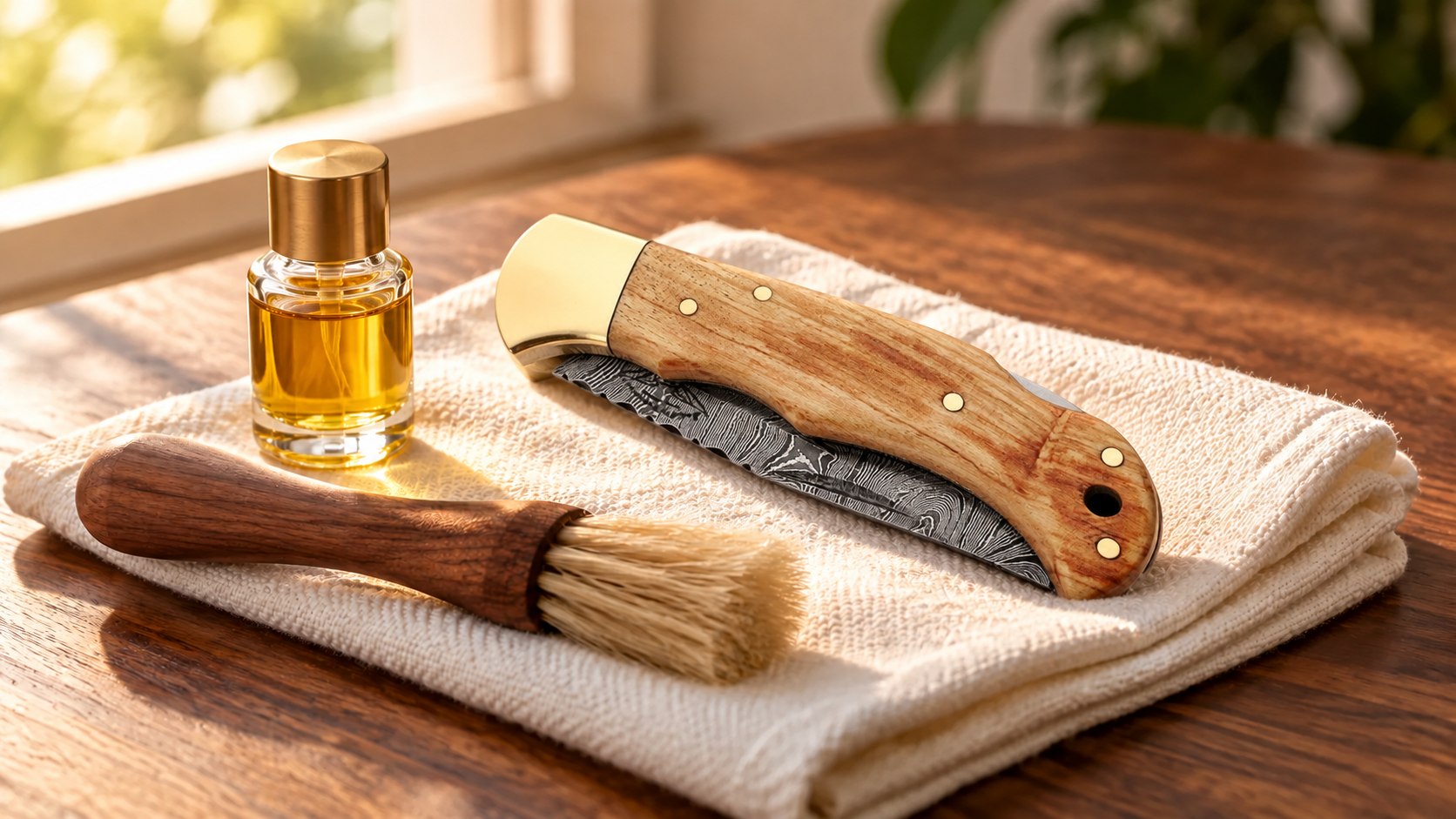
THE FIELD NOTES CLUB
Join our email list for product news and occasional offers. Get our printable Knife Care & Weekend Packing Checklist as a free digital welcome gift.